Cat Losing Hair and Losing Weight: Causes, Signs, and Tests
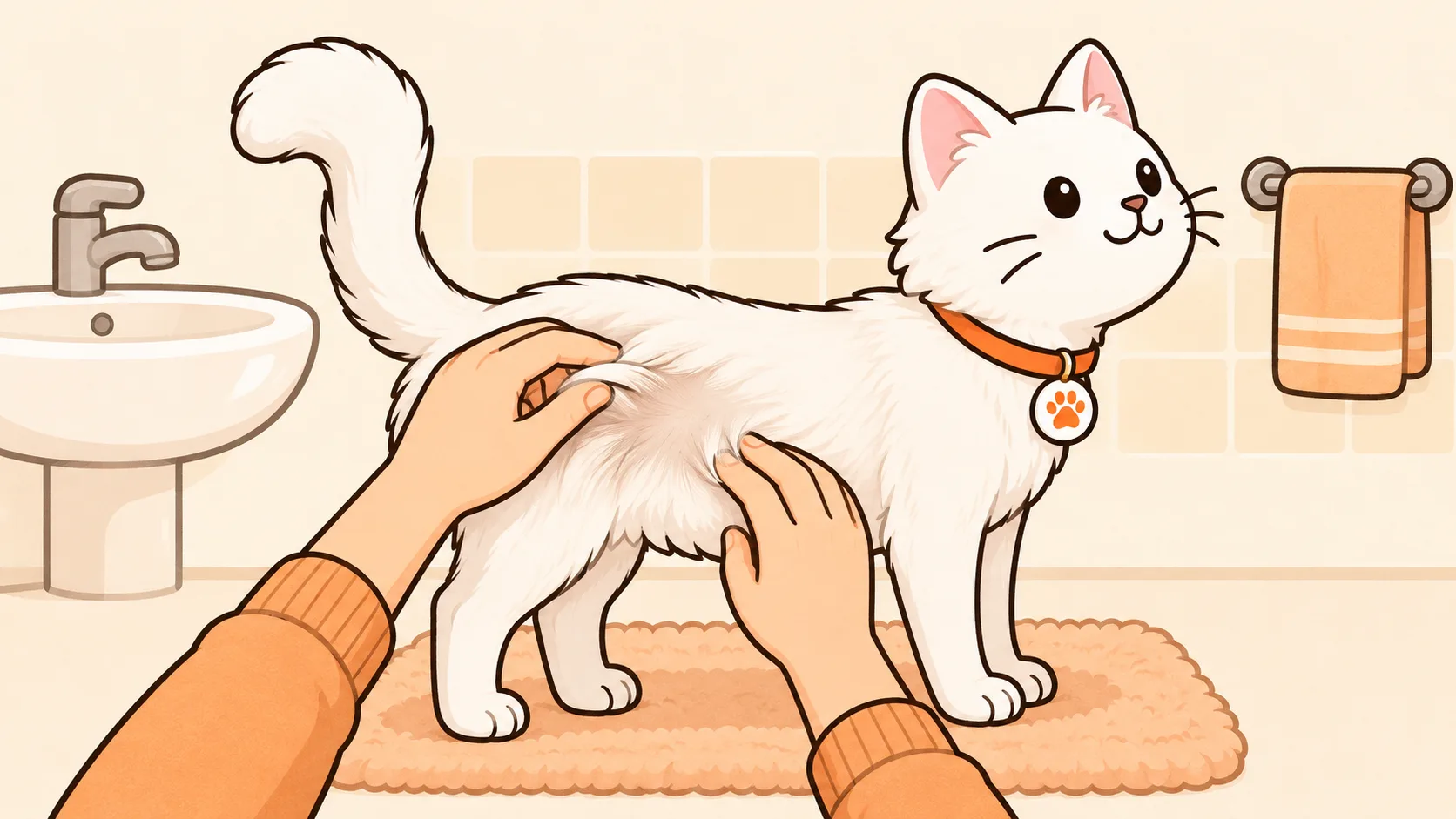
If your cat is losing hair and losing weight, it is ill in most cases. Try this test: run your flat hand over its chest.
If your cat is losing hair and losing weight, it is ill in most cases. The most common causes are hyperthyroidism, diabetes, chronic kidney disease, chronic intestinal disease, parasites, dental pain, or a skin condition such as ringworm. Most often, two things happen together: a systemic illness causes weight loss, the cat grooms less, and its coat becomes dull and thin. At other times, two separate problems coexist, such as fleas on an older cat with hyperthyroidism.
Key takeaways
- Normal shedding: more hair on the couch, but no visible patches of skin.
- Being underweight: visible or prominent ribs, sunken flanks, and a spine and pelvic bones that feel prominent under your fingers.
- Losing weight while eating a lot points first to hyperthyroidism or diabetes, especially after age 8.
- See a veterinarian within 24 hours if the cat refuses food, vomits repeatedly, or is a kitten.
- Weigh your cat every week while it is losing weight, then two to four times a year if it is older.
Shedding or real hair loss, underweight or simply slim: how can you tell?
Two things are enough to sort out most situations: whether the coat still covers the skin and what the cat’s body looks like.
Shedding and bald patches
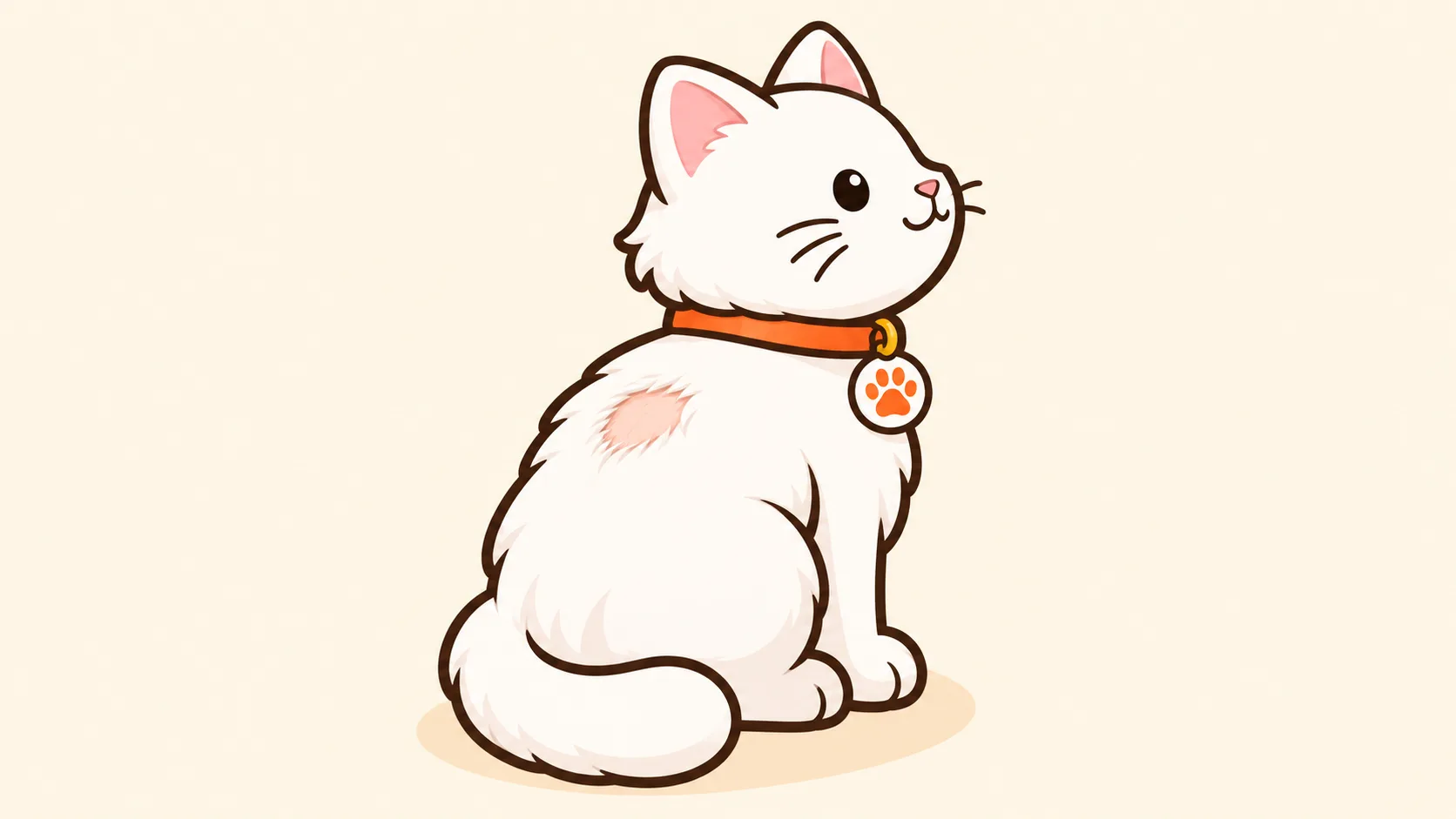
During seasonal shedding, especially in spring and fall, old hair falls out as new hair grows in. The coat still covers the skin: shedding does not normally leave bald patches. A patch of visible skin (a bald patch, or alopecia), short broken hairs, scabs, redness, or dandruff is not part of normal shedding.
Look at the coat’s texture, too. A greasy, dull, spiky, or matted coat along the back means the cat is no longer grooming properly. This often signals that the cat is tired, in pain, or ill, rather than a skin disease.
Body shape and ribs
Prominent ribs and sunken flanks are signs that a cat is underweight. Try this test: run your flat hand over its chest. In a cat in good condition, you can feel the ribs beneath a thin layer of fat without seeing them. If you can count them by sight or they feel like the teeth of a comb under your fingers, the cat is underweight. Feel the spine and hips, too: sharp bones signal muscle loss.
A long-haired cat’s thick coat can hide weight loss for weeks. What matters is the change over time: a cat that “feels lighter” when you pick it up has often already lost a noticeable amount of weight.
What illnesses cause a cat to lose hair and weight?
The illness causing weight loss is not necessarily the one causing hair loss. Your veterinarian will therefore look for both separately.
Skin diseases
- Ringworm is an infection caused by a microscopic fungus (most often Microsporum canis). It causes round or irregular bald patches, sometimes scaly, often on the head and legs. It is contagious to other animals and to people. It mainly affects kittens, long-haired cats, and weakened cats: a cat losing weight because of another illness is more susceptible.
- Fleas cause hair loss through excessive licking: a cat allergic to flea saliva licks until its hair breaks, typically on the lower back, belly, and inner thighs. You often will not see any fleas because the cat swallows them while grooming; instead, look for tiny black specks in the coat that turn red on damp paper.
- Stress (moving, a new animal, conflict between cats) can also trigger excessive licking and bald patches on the belly and flanks. This diagnosis is made only after parasites and allergies have been ruled out.
Illnesses that cause weight loss despite a good appetite
- Hyperthyroidism is common after age 8-10. The thyroid, often with a benign nodule, produces too much hormone and speeds up the cat’s entire metabolism: it burns more than it eats. The cat loses weight despite eating the same amount or more, drinks more, sometimes vomits, becomes restless, and develops a poor coat (dull, matted, and sometimes pulled out in patches).
- Diabetes causes weight loss along with increased thirst and frequent, heavy urination. Without effective insulin, sugar cannot enter the cells, so the body uses its fat and muscle stores. Some cats later walk on their hocks, with their hind legs sagging.
- Chronic kidney disease causes gradual weight loss in older cats. Toxins that are not cleared reduce appetite and cause nausea; the cat drinks and urinates more, and its coat becomes dry and dull.
- Chronic intestinal diseases, whether inflammatory or cancerous, such as intestinal lymphoma, prevent nutrients from being absorbed. Chronic intestinal disease can cause weight loss even without obvious diarrhea: regular vomiting, soft stools, or an inconsistent appetite can be enough to suggest it.
Intestinal parasites
Some intestinal parasites (roundworms such as ascarids, tapeworms, and protozoa such as giardia, which do not respond to common dewormers) cause weight loss by taking some of what the cat eats or damaging the intestinal lining. Kittens are most affected: a swollen belly, rough coat, diarrhea, and slowed growth. In adult cats that hunt or go outdoors, tapeworms are common: you may see white segments that look like grains of rice around the anus. Deworm with a veterinary product suited to the cat’s weight, following the usually recommended schedule: every month for kittens until six months of age, then at least four times a year for adults that go outdoors, and as often as once a month for hunters. Treat fleas at the same time because they transmit one of the cat tapeworms.
| Cause | What you see in the coat | Weight and appetite | Other clues | Main diagnostic test |
|---|---|---|---|---|
| Hyperthyroidism | Dull, matted, sometimes thin | Loses weight, appetite unchanged or increased | Cat over 8 years old, restless, drinks more | Blood T4 test |
| Diabetes | Dull, greasy, dandruff | Loses weight, often eats more | Drinks and urinates a lot | Blood glucose, fructosamine, urine glucose |
| Chronic kidney disease | Dry, dull | Loses weight, appetite decreases | Drinks more, nausea, strong breath | Urea, creatinine, SDMA, urine specific gravity |
| Chronic intestinal disease | Dull | Loses weight, variable appetite | Vomiting, soft stools | Abdominal ultrasound, biopsies |
| Intestinal parasites | Rough, lackluster | Loses weight, swollen belly in kittens | Worms in stool, diarrhea | Fecal examination |
| Ringworm | Round bald patches, scales | Normal weight if this is the cat’s only problem | Lesions on other animals or on you | Wood’s lamp, hair examination, fungal culture |
| Fleas, stress | Licked patches, short broken hairs | Normal weight | Visible licking, flea dirt | Coat examination, trial parasite treatment |
At what age is a cat losing weight and hair more concerning?
At any age, though the causes differ. Kittens have little margin for error: they have almost no reserves, and a kitten that loses weight should be examined by a veterinarian within 24 hours, or the same day if it eats little or has diarrhea. Parasites, ringworm, and viral infections (feline respiratory disease, feline panleukopenia) are the main causes at this age.
In young adult cats, consider parasites, mouth problems, and stress first. Before about two years of age, feline infectious peritonitis (FIP) can also cause weight loss, along with a persistent fever or a swollen belly.
In older cats, age-related muscle loss contributes to a thinner appearance, especially along the back, hips, and thighs. If that area is shrinking the most, read our article on cat losing weight in hindquarters. But an older cat’s weight loss should never be attributed to aging alone: hyperthyroidism, kidney disease, diabetes, and intestinal tumors tend to develop at this age, and respond better to treatment when caught early.
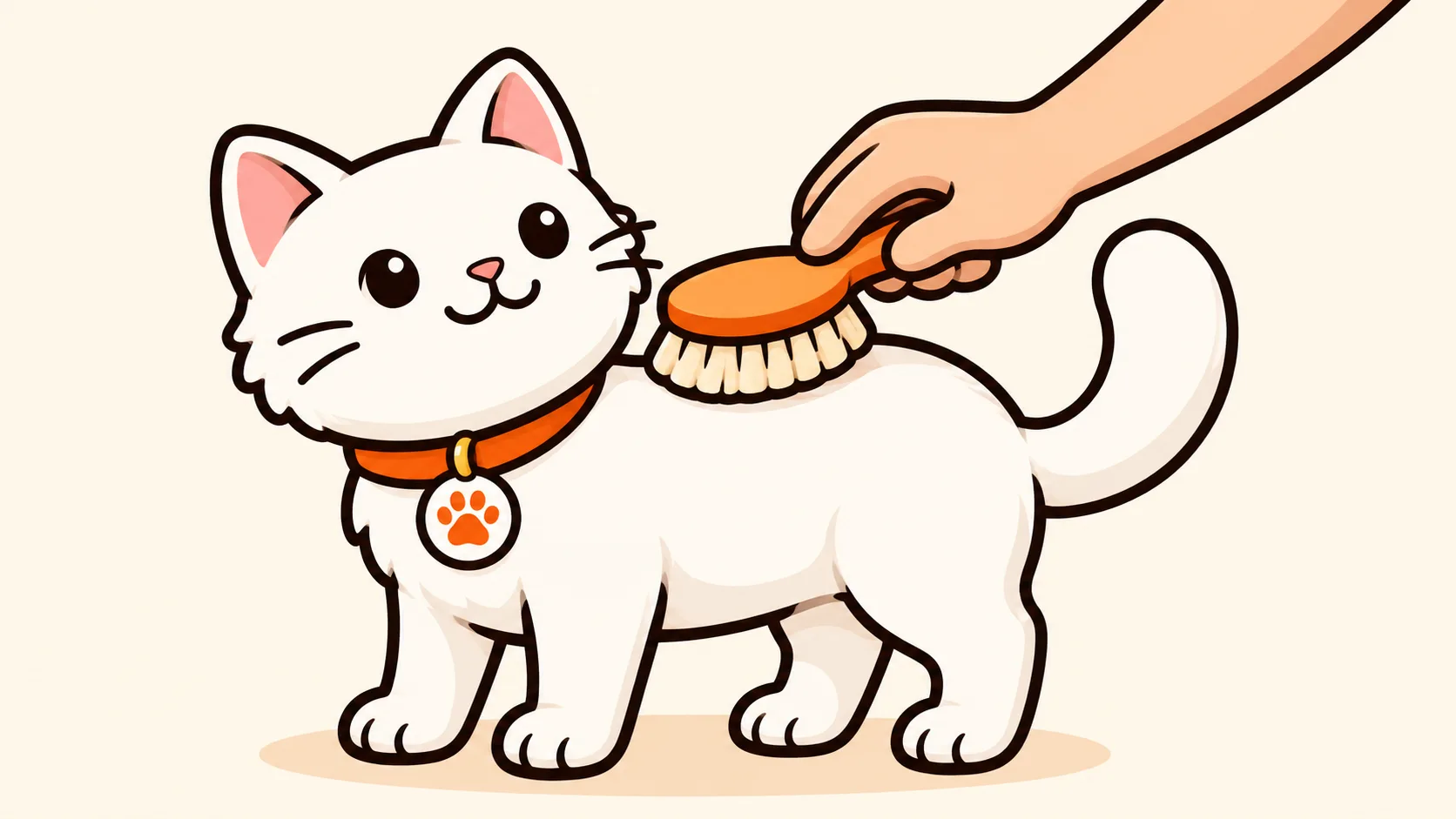
Assess the hair loss separately. An older cat that is stiff or has arthritis can no longer groom its back and hindquarters: its hair tangles and forms mats. Brush it gently several times a week, but tell your veterinarian about the change, because joint pain can be treated.
Is the cat losing weight because it eats too little?
Sometimes, yes: too little food will cause any cat to lose weight. First check how much it actually eats before considering a rare illness.

Not enough food
Weigh the day’s portion on a kitchen scale, then weigh what remains in the bowl the next day. In a multi-cat home, a dominant cat often empties the others’ bowls; conversely, a neighbor may sometimes feed your cat. Switching to less appealing dry food or placing the bowl near the litter box or in a noisy walkway can also reduce how much the cat eats.
An unbalanced diet (home-prepared food without supplements, dog food) causes a dry, brittle coat as well as weight loss. Give a complete cat food suited to its age, in the amount indicated for its ideal weight, and do not change foods abruptly: make the switch over a week.
Pain in the mouth
Dental pain reduces how much a cat eats. It is hungry and approaches the bowl, then gives up, chews on only one side, drops its kibble, shakes its head, or drools. Tartar, tooth resorption, and gingivostomatitis are the usual causes. The same cat grooms poorly because its mouth hurts, so its coat deteriorates as it loses weight. Lift its lip: bright red gums where they meet the teeth or a strong odor call for a mouth examination, often followed by dental cleaning and extractions under anesthesia.
Good to know: a cat losing weight while eating its usual amount or more is no reason for reassurance. This pattern points first to hyperthyroidism, diabetes, or poor intestinal absorption and calls for bloodwork.
When should you see a veterinarian, and how do they find the cause?
Unintentional weight loss in a cat warrants a veterinary visit, even if its appetite has not changed. Make an appointment within the week if a scale confirms the weight loss and the cat otherwise seems well.
Signs that call for quick action
Urgent: a cat that is losing weight and refusing food or vomiting repeatedly should be examined promptly, within 24 hours. A cat that stops eating can develop hepatic lipidosis within a few days, especially if it was overweight: its liver, overwhelmed by mobilized fat, stops working. See a veterinarian the same day if the cat is listless, hides, has yellow or pale gums, or is a diabetic cat that is vomiting, and immediately if it is breathing with its mouth open.
Meanwhile, do not force-feed it with a syringe or give it any human medication: acetaminophen, in particular, is deadly to cats. Offer warm, strongly scented wet food.
Bloodwork and other tests
Blood tests help identify the illness behind the weight loss. After the physical examination (weighing the cat, feeling the neck for a thyroid nodule, feeling the abdomen, and examining the mouth and coat), the veterinarian generally orders:
- Bloodwork: a complete blood count, chemistry panel (kidney function, liver, blood glucose, proteins), and a thyroid T4 test from about age 8.
- A urinalysis: urine specific gravity for kidney function, sugar for diabetes, and signs of infection.
- A fecal examination if intestinal parasites are suspected.
- An FIV/FeLV test for a cat that goes outdoors or whose status is unknown.
- An abdominal ultrasound if blood results are normal but weight loss continues.
For the coat, the veterinarian examines hairs under a microscope (a trichogram) to see whether they are falling out or being broken by licking, uses a Wood’s lamp, and cultures hairs if ringworm is suspected. Treatment depends on the cause: antithyroid medication, low-iodine food, surgery, or radioactive iodine for hyperthyroidism; insulin and an appropriate diet for diabetes; kidney food for kidney disease; antifungal medication and cleaning the home for ringworm; and parasite treatments for all animals in the household.
What can you do today if your cat is losing weight and hair?
Start with these simple checks, then write down what you find for your veterinarian:
- Weigh your cat: step on the scale while holding it, then without it, and calculate the difference. Repeat every week at the same time, then two to four times a year for an older cat once its weight has stabilized.
- Measure how much it eats and drinks over 24 hours.
- Photograph bald patches to track how they change.
- Check its mouth and look for flea dirt in its coat.
- Make an appointment within the timeframes given above.
To keep weight measurements, coat condition, and appetite in one place, and to remind yourself about upcoming deworming, parasite treatments, and checkups, use a health tracking app.
Frequently asked questions
Ringworm, flea bite allergy, and other allergies are the most common causes of bald patches. Stress-related licking can cause them, too. Systemic illnesses (hyperthyroidism, kidney disease, diabetes) tend instead to cause a dull, thin coat because the sick cat stops grooming. In an older cat, rapid hair loss on the belly and legs that leaves smooth, shiny skin prompts a search for an internal cancer.
As soon as a scale confirms a drop across two weigh-ins, with no diet underway, even if the cat eats well. The timeframes for a veterinary visit, and the signs that mean you should go sooner, are detailed in the section “When should you see a veterinarian?”
Yes. The fungus spreads to people through direct contact or contaminated hairs left in the home. In people, it causes round, itchy red patches, especially in children. Wash your hands after touching the cat, vacuum daily during treatment, and see your doctor if a lesion appears on your skin.
No. Neutering tends to promote weight gain because it lowers energy needs and increases appetite. A neutered cat losing weight without a change in its food portion therefore has a problem that should be investigated just as it would in any other cat, starting with an accurate weigh-in and bloodwork.
No. Supplements rich in omega-3s and B vitamins improve the shine of healthy hair, but they do not treat ringworm, fleas, or the illness causing the cat to lose weight. Giving them before a diagnosis delays treatment. Save them for recovery, on your veterinarian’s advice.