Cat Pill: Treatment, Care, and Risks for Female Cats
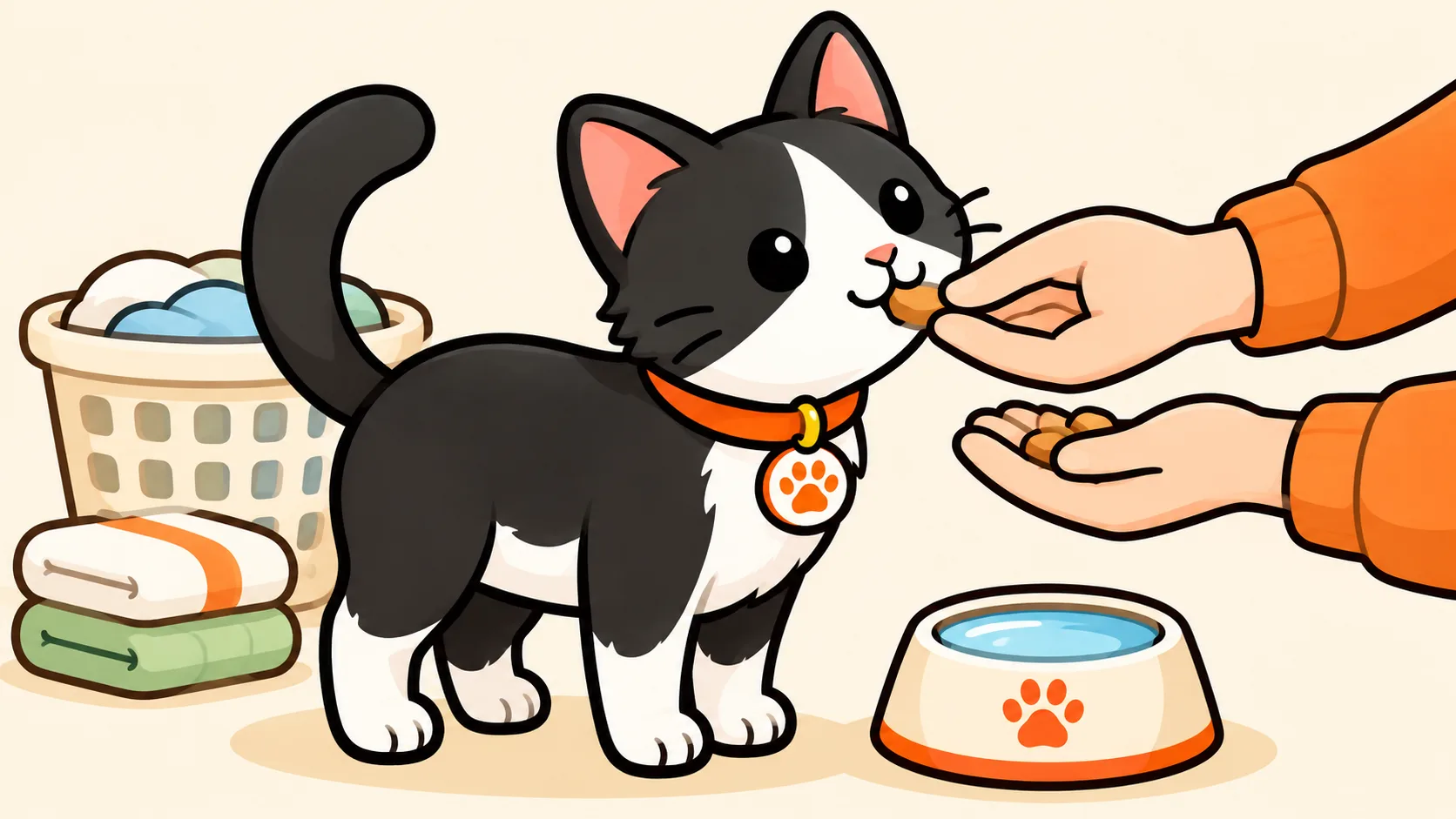
The cat pill is a hormonal treatment that temporarily prevents a female cat from going into heat. See a veterinarian the same day.
The cat pill is a hormonal treatment that temporarily prevents a female cat from going into heat. Its main danger is pyometra, an infection of the uterus.
Key takeaways
- Who can take it: female cats that are not pregnant or diabetic; it serves no purpose for males.
- When to start: some pills must be started when the cat is not in heat; follow the schedule in the prescribed medication’s instructions.
- Warning signs: lethargy, loss of appetite, vaginal discharge. See a veterinarian the same day.
- Long-term risks: uterine infection, mammary tumors, diabetes.
- Permanent option: surgical spaying.
What Is the Cat Pill For, and Which Female Cats Can Take It?
The pill for cats prevents a female cat from going into heat for as long as treatment continues. It contains a progestin, a synthetic hormone similar to progesterone. Her brain then “thinks” she is pregnant and stops signaling the ovarian follicles to mature. As a result, she does not go into heat, with its associated yowling, rolling, and attraction to males.
Several conditions rule it out:
- A pregnant cat: the pill is contraindicated. If your cat may have mated, have her checked to make sure she is not pregnant before starting.
- A cat showing signs of diabetes (drinking and urinating a lot, losing weight despite a good appetite): progestins are not recommended in this case.
- A cat that has previously had a lump or swelling in her mammary glands, or a uterine infection, as well as a young cat that has not yet had her first heat: these hormones may worsen or trigger these conditions.
Good to know: the pill does not spay your cat. Its effect ends when treatment stops, and her uterus and ovaries remain intact, along with their associated risks.
How to Give Your Cat the Pill as Prescribed

Start at the Prescribed Time
To prevent heat, some pills must be started when the cat is not in heat. Note the date of her last heat and start when she is calm, without persistent yowling or a mating posture (hindquarters raised, tail held to one side). If she is in heat when you buy the medication, ask your veterinarian when to start: the schedule for a preventive pill differs from that of a treatment intended to stop an ongoing heat.
Follow the Medication Schedule
How often you give the medication depends on the product prescribed: follow the dosage on your prescription or in the product instructions, not the schedule used for another cat or product. In practice:
- give the tablet on the same day each time (and at the same time if it is given daily);
- hide it in a small bite of wet food, then check that she swallowed it and did not spit it out;
- record each dose and its date to avoid missing a dose or giving a double dose.
What Are the Risks of the Pill, and Which Signs Should Alert You?
Understand the Risks of Treatment
Progestins affect organs beyond the ovaries, and their effects build up the longer treatment continues:
- The uterus: progesterone thickens its lining, which secretes fluid, and weakens local defenses. Bacteria can then multiply easily. Prolonged use therefore increases the risk of uterine infection;
- The mammary glands: these hormones stimulate mammary tissue and may promote mammary tumors. They can also cause several mammary glands to swell rapidly and substantially, sometimes after only a few doses (fibroadenomatous hyperplasia). This requires stopping the pill and seeing a veterinarian promptly. Feel along the mammary glands once a month and report any lump, however small;
- Metabolism: they make the body less sensitive to insulin and may increase the risk of diabetes. Watch how much your cat drinks and urinates.
Respond to Signs of a Uterine Infection
Pyometra is a buildup of pus in the uterus. It is serious: the infection can spread through the body, and the swollen uterus can rupture. It can occur without visible vaginal discharge, so a lack of discharge should not reassure you. These signs also matter in a cat that received the pill recently.
| Sign observed | What it may indicate | When to see a veterinarian |
|---|---|---|
| Lethargy, hiding, and unusually quiet behavior | Possible pyometra | The same day |
| Loss of appetite | Possible pyometra; common | The same day |
| Vaginal discharge (pus, blood), persistent licking of the vulva | Pyometra | The same day |
| Marked thirst, excessive urination | Pyometra or diabetes | Within 24 hours |
| Swollen abdomen, vomiting, feeling cold or lying motionless | Advanced pyometra, widespread infection | Immediately—an emergency |
The veterinarian confirms the diagnosis with an abdominal ultrasound and blood tests. In female cats, treatment most often involves emergency surgery to remove the uterus and ovaries, eliminating the source of infection.
Read also: Emergency Vet Phone Number: Free 3115, 24/24 Hours, 7/7 Days
What Other Birth Control Option Can You Choose if the Pill Is Not Suitable?
Surgical spaying is the standard option if you do not want a litter: it permanently prevents your cat from reproducing. The veterinarian removes the ovaries and sometimes the uterus as well. Without ovaries, there is no more heat or exposure to those hormones, and you no longer have any treatment to give.
If you are still considering a litter, or if the pill is contraindicated, keep your cat away from males throughout her heat: keep her indoors with the windows closed, and watch the doors because she will actively try to get out. Simply watching an unspayed female cat living with an unneutered male will not prevent mating: keep them in two separate rooms.
What to Keep in Mind for Your Cat
To record each dose, schedule the next tablet, and keep the dates of her heats in one place, a tracking app can help you remember everything:
Frequently asked questions
No. The pill acts on the heat cycle, which only female cats have. It has no contraceptive use in males, and its former use to address urine marking has been abandoned because of its side effects. To prevent mating and reduce marking, the appropriate option for a male is surgical neutering, which you can discuss with your veterinarian.
Yes, in practice. Before the first dose, your veterinarian checks that your cat is not pregnant, shows no signs of diabetes, and has no history of mammary or uterine problems. The veterinarian then chooses the product and its schedule. Without this examination, those contraindications may go unnoticed.
No: blood is not the sign to watch for. You can recognize heat by persistent yowling, rolling, and the mating posture. Blood or pus coming from the vulva of a cat taking the pill, or one that has taken it, should make you suspect pyometra rather than heat.
No, do not buy it that way, even if you find it for sale. Choosing a product without having your cat examined risks missing a contraindication and using an unsuitable dosing schedule. Ask your veterinarian which product is right for your cat and its exact dosage.
Yes. The pill’s effect is temporary: once treatment stops, the hormone is eliminated and the cycle resumes, with another heat in the following weeks or months, depending on the season. Keep her away from males as soon as you stop the pill if you do not want a litter.
Yes, often. Progestins increase appetite and promote weight gain. Weigh your cat once a month and adjust her food portion accordingly, without giving her extra treats. If weight gain is accompanied by marked thirst, have her blood sugar checked.