Dog anti nausea medicine: causes and treatments for vomiting
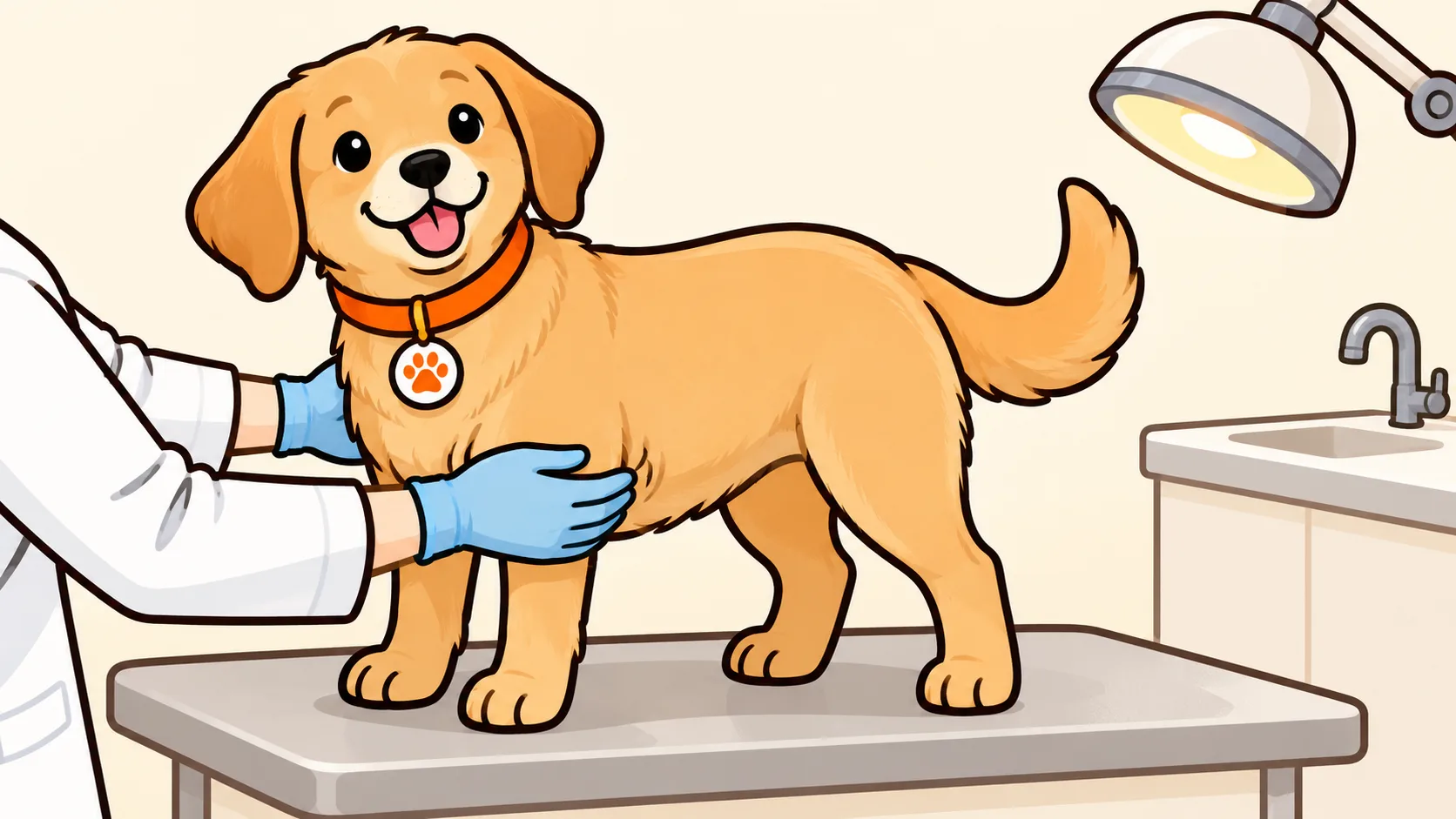
Abdominal effort distinguishes vomiting from regurgitation; a swallowed foreign object can also cause vomiting.
It can be worrying when a dog brings up its food. Confusing vomiting with regurgitation makes it harder to describe what is happening. Before considering dog anti nausea medicine, watch how the food comes back up: this can help you understand possible causes and the treatments used.
Key takeaways
- Abdominal effort distinguishes vomiting from regurgitation; a foreign object can also cause vomiting.
- Metoclopramide and dimenhydrinate have different indications.
- Note how often episodes occur and any accompanying signs.
Can a foreign object cause a dog to vomit?
Yes. Swallowing an object can cause vomiting. First, watch how the dog brings up what it ate: this detail helps describe the problem.

Vomiting or regurgitation: how can you tell the difference?
- If the dog strains its abdomen to expel the contents of its stomach, it is vomiting.
- If food comes back up without that effort, it is regurgitating, as the University of Montreal Veterinary Teaching Hospital explains.
Swallowing a foreign object
In dogs, swallowing a foreign object can cause vomiting. If you suspect your dog has swallowed an object, tell the veterinarian.
Read also: Dog Spay Recovery: How to Track Aftercare
What treatments can ease vomiting?
Metoclopramide and dimenhydrinate are two veterinary medications mentioned for vomiting. They have different indications: the circumstances matter when choosing a treatment.
Symptomatic treatment with metoclopramide
In dogs, metoclopramide is used for vomiting and reduced gastrointestinal motility, including in cases of gastritis. Motility refers to the movements that move contents through the digestive tract.
Different indications for each medication
Nozevet contains dimenhydrinate. In dogs, it is indicated for vomiting and motion sickness, according to its marketing authorization. This indication for travel sets it apart from metoclopramide. Prescription and dispensing requirements must be checked for each product.
What should you remember about vomiting in dogs?
Focus on what you can observe: vomiting involves abdominal effort; regurgitation does not. The medications mentioned have specific indications. One useful tip is to note how often episodes occur, any accompanying signs and whether the dog may have swallowed an object.
Papatte lets you save these observations in your pet’s health history. .
Frequently asked questions
A medication’s name alone is not enough to establish whether it is available without a prescription. The marketing authorization sets the prescription and dispensing requirements for each product. You therefore need to check the requirements for the product in question.
Metoclopramide or dimenhydrinate may be used depending on the indication. The former is used, among other things, when movement in the digestive tract is reduced; the latter is also used to treat motion sickness. Which one is used depends on the dog’s situation.
Metoclopramide and dimenhydrinate are veterinary medications used for vomiting. They have different indications. Watch how the dog brings up the contents of its stomach and note how often episodes occur; you should also tell the veterinarian if you suspect the dog swallowed an object.
Dimenhydrinate is among the medications indicated for vomiting in dogs, particularly with motion sickness. That indication alone does not determine what is appropriate for your pet. Observe the circumstances in which your dog brings up its food and check the conditions of use for the product in question.