Insulin-Free Treatment for Diabetic Cats: Signs and Outlook
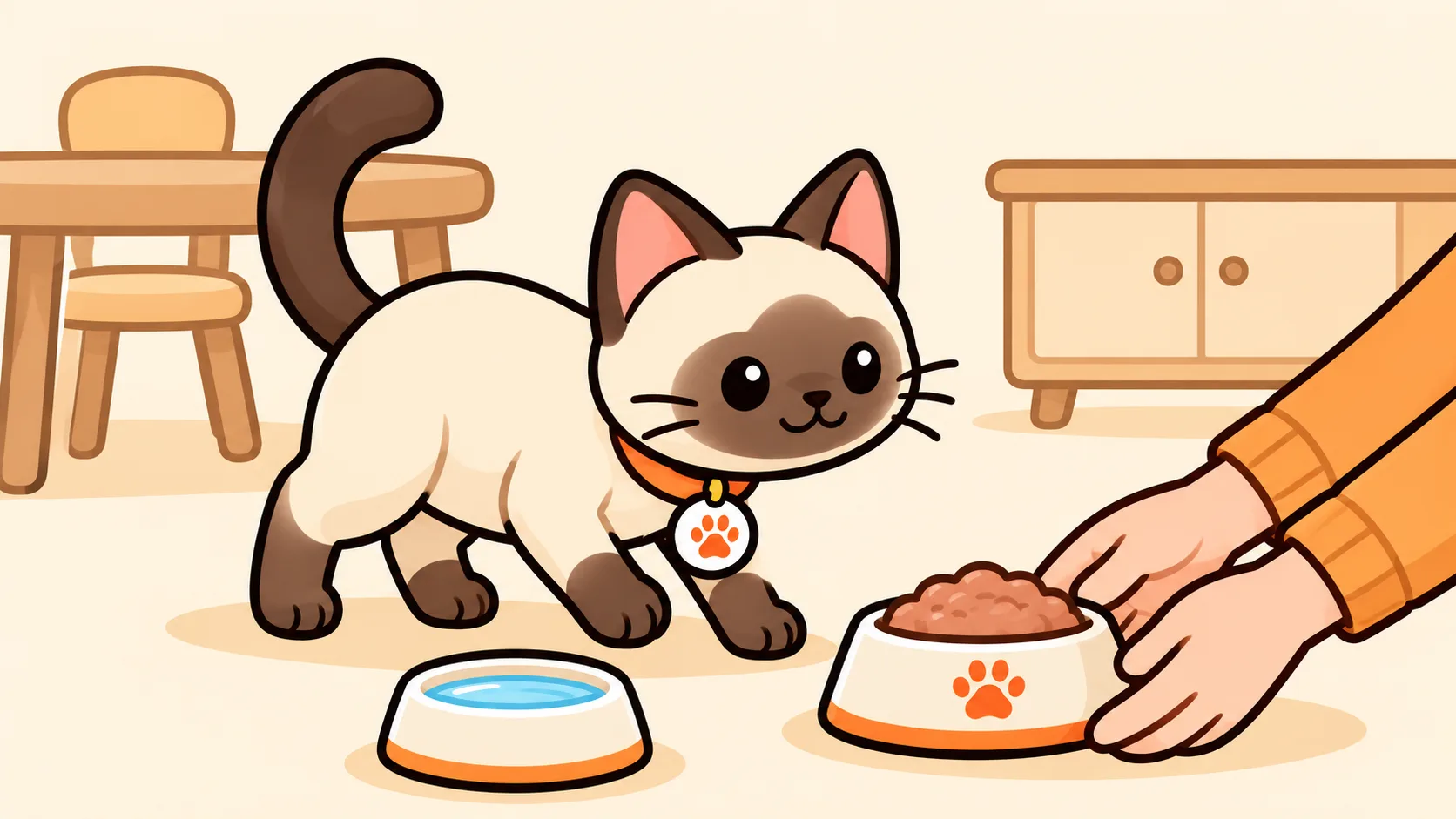
The right treatment approach depends on the cat's condition at diagnosis, its weight, and how quickly care begins.
Yes, some cats with diabetes can be treated without insulin. Velagliflozin, an oral solution given daily, allows some cats to avoid injections. Some cats also go into remission and no longer need medication. The right approach depends on the cat's condition at diagnosis, its weight, and how quickly care begins. But “without insulin” never means “without treatment”: untreated diabetes can progress to diabetic ketoacidosis, a potentially fatal complication.
Key takeaways
- No injections: Oral velagliflozin is suitable for some cats, as determined by a veterinarian.
- Risk of oral treatment: Ketoacidosis can occur even when blood glucose appears normal. If your cat is lethargic, vomits, or refuses food, call the veterinarian immediately.
- Diet: High in protein and low in carbohydrates, with gradual weight loss if the cat is overweight. It never replaces medication.
- Remission: More likely when treatment starts early. The cat remains off medication as long as its blood glucose stays normal.
- No treatment at all: Diabetes progresses to ketoacidosis, a life-threatening emergency.
Can diabetes in cats be treated without insulin?
Yes, for some cats. Insulin-free treatment for diabetic cats relies on oral velagliflozin. This option is not suitable for every cat: veterinarians reserve it for cats newly diagnosed with diabetes that have never received insulin, are eating normally, are neither lethargic nor dehydrated, and have no ketones on testing. A cat already receiving insulin or ill at diagnosis needs injections.
The role of insulin in diabetes
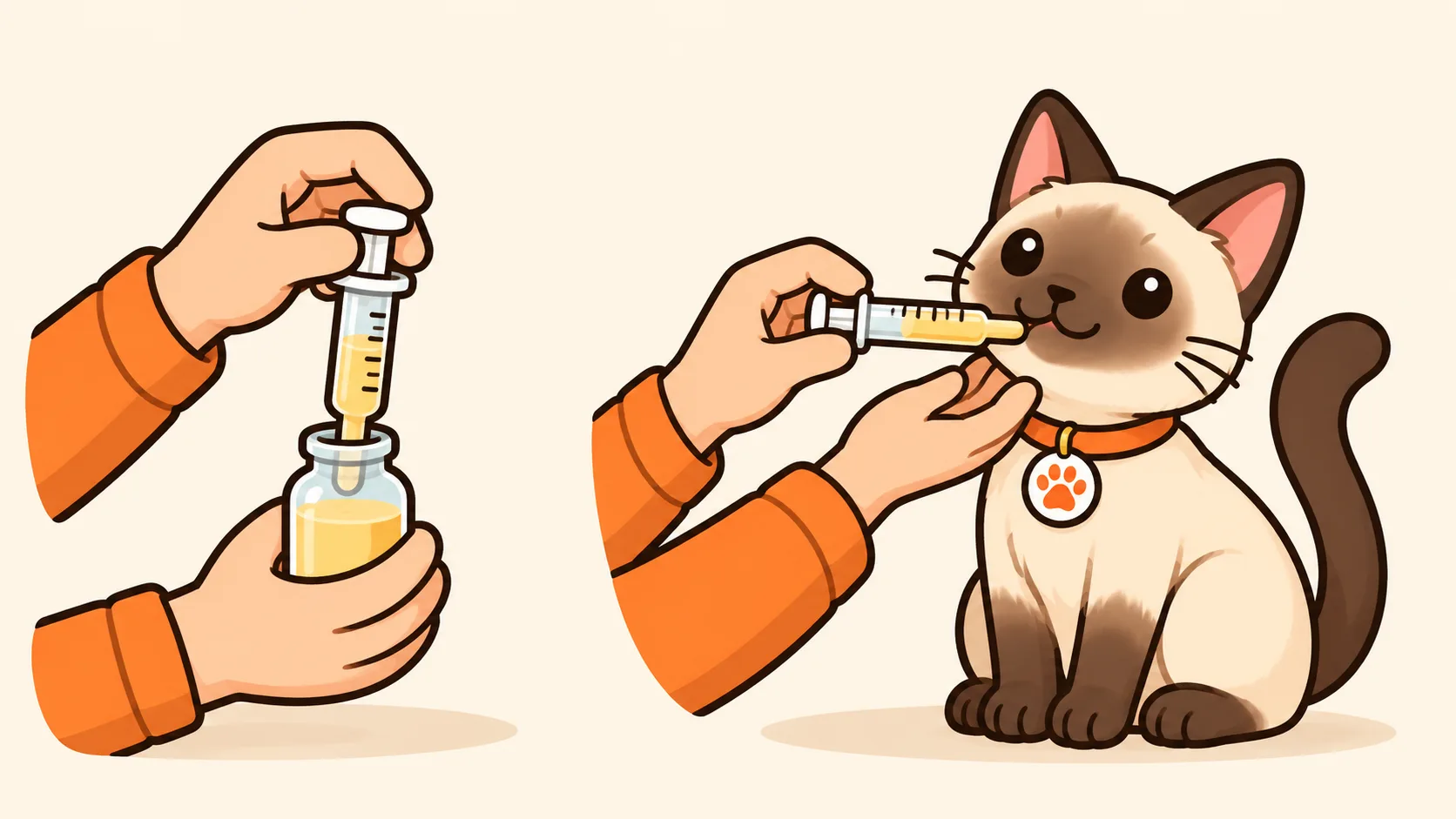
Insulin is the hormone that helps sugar move from the blood into cells. Diabetes in cats causes persistently high blood glucose when there is too little insulin or it does not work properly. In cats, insulin often works poorly, especially when they are overweight. Without enough effective insulin, cells lack fuel even as the blood contains too much sugar. The cat loses weight despite eating a lot. Insulin given by injection, usually two times a day, remains the standard treatment.
The velagliflozin oral solution
Velagliflozin is not insulin in pill form. Swallowed insulin would be broken down in the digestive tract like any other protein, so it is available only as an injection. Velagliflozin belongs to another family of medications, the gliflozins. It lowers blood glucose without supplying insulin by causing the kidneys to pass excess sugar into the urine. It is given by mouth once a day, either directly or on a little food.
The available options compared:
| Option | Which cats | What it offers | Main risk | Monitoring |
|---|---|---|---|---|
| Injectable insulin | Any cat with diabetes, including a sick cat or one with ketones | Standard treatment with an adjustable dose | Hypoglycemia if overdosed | Blood glucose, fructosamine levels, regular checkups |
| Oral velagliflozin | Some cats, selected by a veterinarian after testing | No injections, one dose a day | Ketoacidosis even with normal blood glucose | Ketones, especially during the first few weeks |
| Diet alone | No cat with active diabetes | Helps control blood glucose | Uncontrolled diabetes | Used only alongside treatment |
| Remission | A previously treated cat whose blood glucose has returned to normal | No medication needed | Relapse | Blood glucose and clinical signs |
| No treatment | None | Nothing | Potentially fatal ketoacidosis | Not applicable |
What symptoms might indicate diabetes in a cat?
A cat that drinks much more, urinates much more, and loses weight should be examined for diabetes. Only tests can confirm the diagnosis.
Changes in thirst, urination, and weight
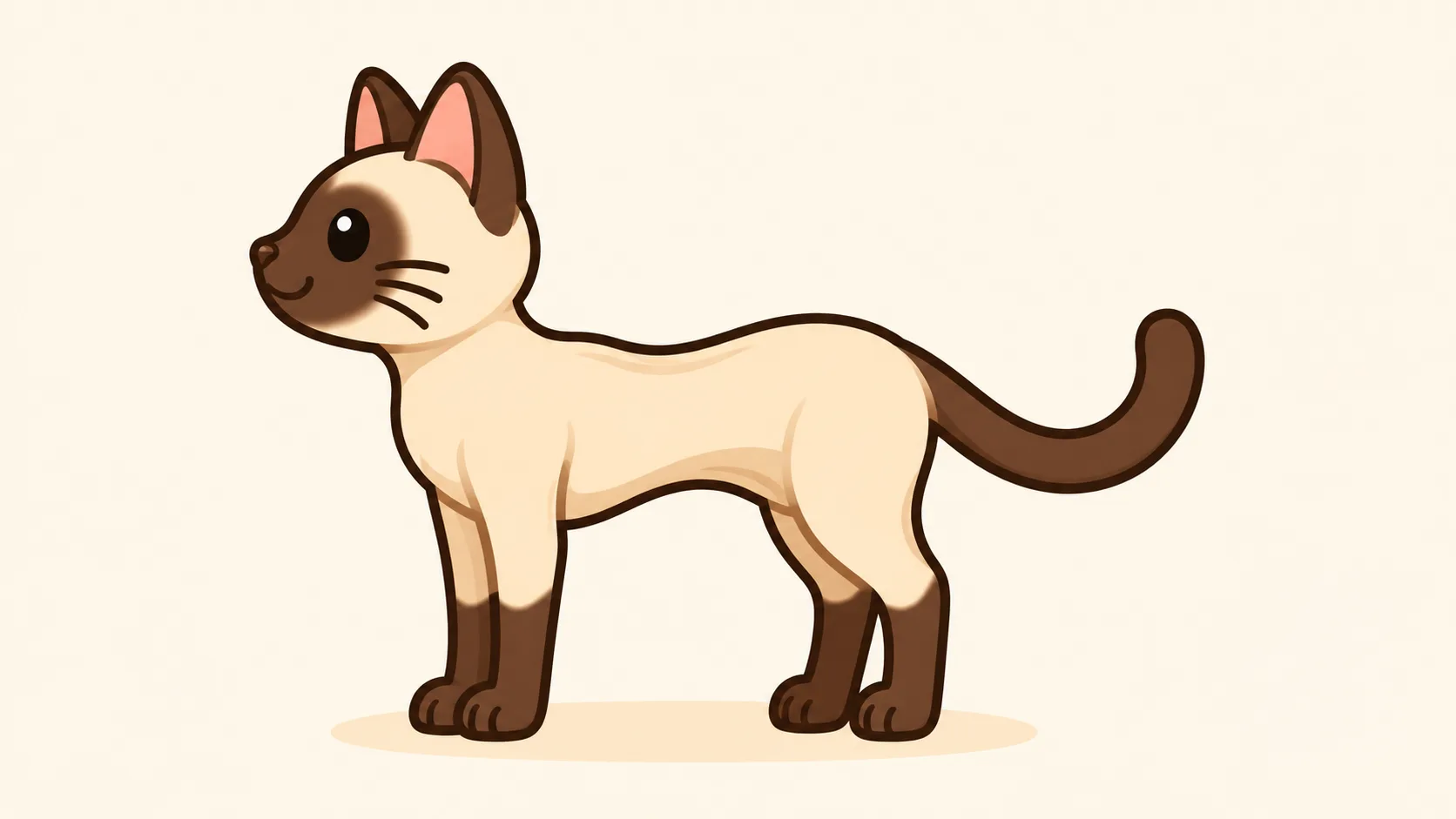
Increased thirst, heavy urination, and weight loss are the most common signs. Excess sugar passes into the urine and draws water with it. The cat urinates more, so it drinks more. Signs to watch for include a water bowl that empties faster, a heavier litter box with larger clumps, and a cat that begs for more food but whose spine you can feel. Some cats also walk on their hocks, with their hind legs lowered: this is nerve damage linked to diabetes. Note these changes and their dates before the appointment.
Confirming the diagnosis with tests
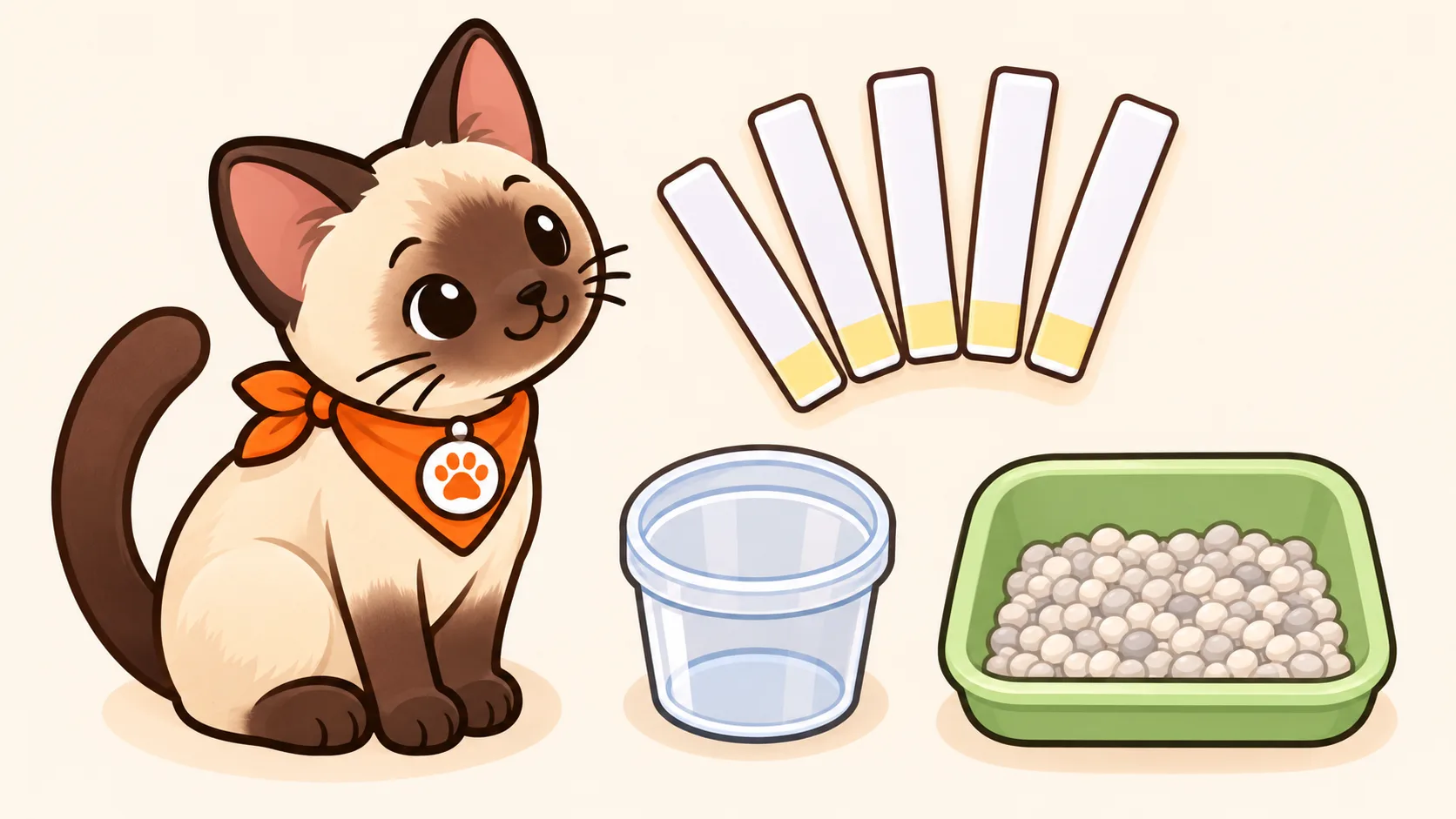
A single high blood glucose reading does not prove diabetes. In cats, the stress of a veterinary visit can raise blood glucose substantially for a few hours. The veterinarian therefore looks for evidence of sustained high blood glucose. A fructosamine test provides it by reflecting average blood glucose over the previous two to three weeks. The veterinarian also checks for glucose in the urine and, generally, ketones, along with a complete blood panel to identify any associated illness. Tell the veterinarian about any current medications: corticosteroids and certain progestins can contribute to diabetes. To help with urine testing, bring a fresh sample collected using nonabsorbent litter if possible.
What diet helps a cat with diabetes?
A diet high in protein and low in carbohydrates helps control blood glucose. If the cat is overweight, gradual weight loss also helps. Diet supports medical treatment but does not replace it while diabetes is active.
What meals should contain
Cats are obligate carnivores: their bodies do not handle carbohydrates well or make good use of them. A diet high in protein and low in carbohydrates limits blood sugar spikes after meals. Choose wet food or a veterinary diet formulated for diabetes over ordinary dry food, which is often higher in starch. Wet food also provides water, which helps a cat that urinates a lot. Serve measured meals at the same times each day rather than allowing free feeding. Eliminate treats, bread, cookies, and dairy products.
The role of excess weight
Excess fat makes cells less sensitive to insulin. Reducing excess weight improves insulin sensitivity and increases the chances of remission. Weight loss should be slow and supervised by a veterinarian. An obese cat that fasts or has its food cut back abruptly is at risk of hepatic lipidosis, a serious condition caused by fat accumulating in the liver. Weigh your cat every two weeks on the same scale.
What side effects of oral treatment should you watch for?
The serious side effect of velagliflozin is diabetic ketoacidosis.
Ketoacidosis even when blood glucose is sometimes normal
When the body lacks enough effective insulin, it burns fat for energy. This process produces ketones, acids that build up in the blood. While a cat is taking a gliflozin, blood glucose can fall to a normal level even as this process continues. A reassuring blood glucose reading therefore does not rule out ketoacidosis. Ketones are what matter, and they can be checked in urine or blood. Follow the veterinarian's testing schedule strictly, especially during the first few weeks. If the veterinarian gives you urine test strips, use them as directed and record every result.
Emergency: If a cat receiving oral treatment becomes lethargic, refuses food, or vomits, call the veterinarian immediately, day or night. Diabetic ketoacidosis is a medical emergency. It is treated at a clinic with IV fluids and insulin. Do not give the next dose, and do not wait until the next day to see whether the symptoms pass.
How does diabetes progress in a treated cat?
With proper treatment, a cat's diabetes stabilizes. Some cats go into remission: their blood glucose stays normal without any medication.
Diabetic remission
Remission is not a permanent cure. The cat controls its blood glucose again on its own and remains off treatment as long as it stays normal. Remission occurs when blood glucose has been well controlled for long enough: the insulin-producing cells in the pancreas recover when they are no longer constantly affected by excess sugar. Only the veterinarian should stop treatment, based on blood glucose and fructosamine levels. Afterward, keep the same diet and weight, and watch your cat's thirst and litter box. If your cat starts drinking or urinating more again, have its blood glucose checked: assume it is a relapse until proven otherwise.
Why early treatment matters
The longer high blood glucose persists, the more insulin-producing cells become exhausted and the less likely remission becomes. Have your cat examined at the first signs, without waiting for it to become lethargic. Once treatment has started, leaving blood glucose too high also reduces the chances of remission. Follow the prescribed doses, schedule, and checkups.
Good to know: With insulin, the opposite danger exists. An overdose causes hypoglycemia: weakness, disorientation, an unsteady gait, or even seizures. Rub a little honey or sugar syrup on your cat's gums, then call the veterinarian. Never pour liquid into the mouth of a cat that is having a seizure or is unconscious. Do not give another injection until you have spoken with the veterinarian.
Choosing the right treatment for your cat
The choice between injections and an oral solution depends on the cat's condition at diagnosis. What is essential is that the cat receives treatment. Here is what to do:
- See a veterinarian as soon as your cat drinks, urinates, or loses weight abnormally, and ask for a fructosamine test.
- Discuss the oral solution with your veterinarian if injections are a problem for you. The veterinarian will use an examination and tests (ketones, blood panel) to check whether your cat qualifies.
- Record each day your cat's appetite and mood, whether its medication was given, and the test strip results.
- Never change the dose or diet on your own.
To keep medication doses, test results, weight, and appointments in one place, with reminders, you can use the Papatte app.
Frequently asked questions
The main one is hypoglycemia, caused by too large a dose, a missed meal, or an accidental double injection. A minor reaction sometimes occurs at the injection site. To avoid giving a dose twice, have one person in the household handle injections, or record each injection immediately after giving it.
With oral velagliflozin, if the veterinarian decides it is suitable for your cat. An appropriate diet and weight loss are also part of the approach. If this option is unsuitable, ask to be shown how to give injections: the needle is very fine, and most cats tolerate them well.
Velagliflozin, which belongs to the gliflozin family. Authorized in Europe, it is an oral alternative to insulin injections for some cats with diabetes.
There is no fixed lifespan. Life expectancy depends mainly on consistent treatment, the quality of follow-up care, and how the cat responds. A cat whose diabetes is well controlled, with no associated illness and regular checkups, usually maintains a good quality of life for years.