Puppy Vaccination Age: Schedule and Diseases
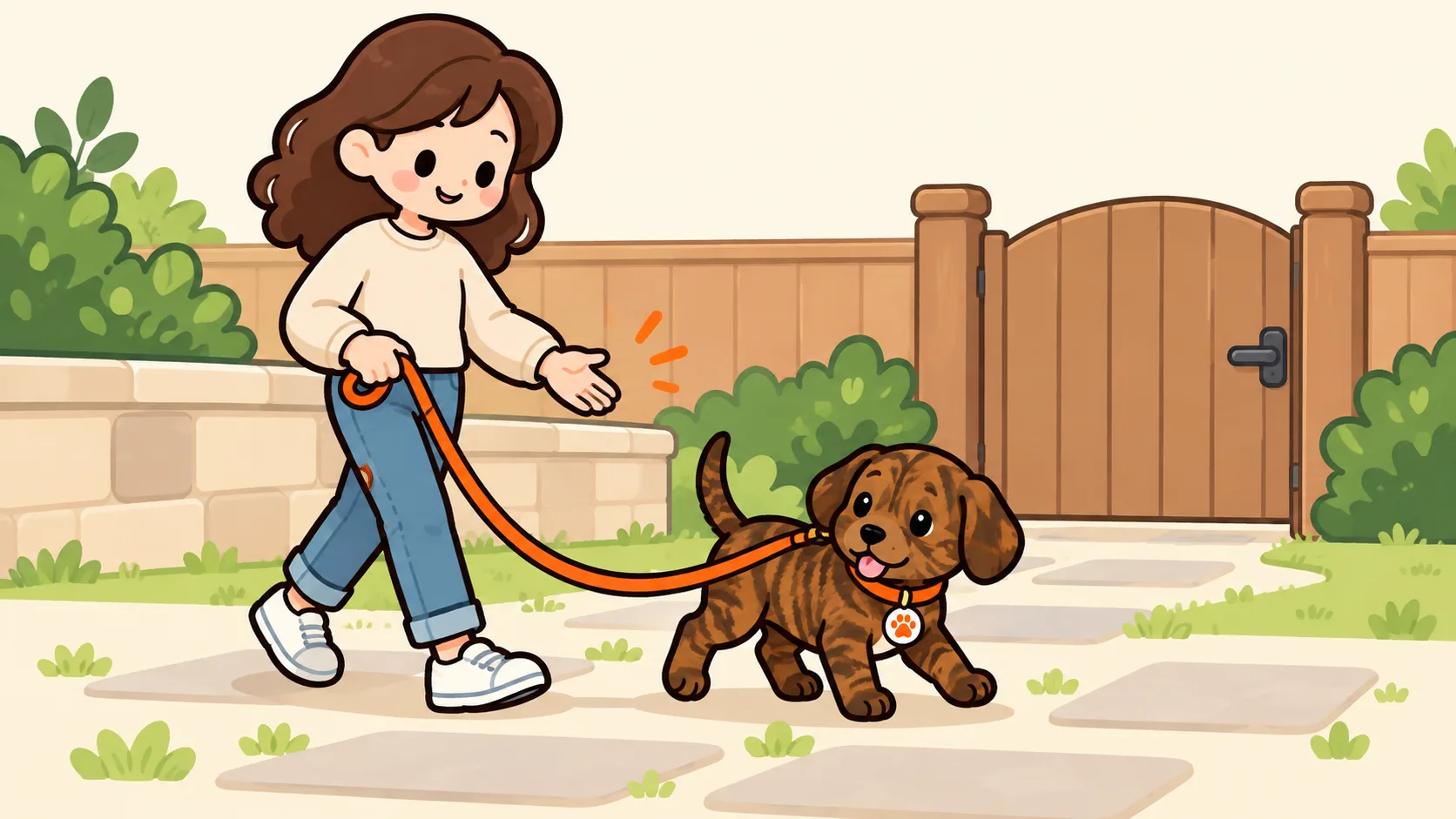
Canine distemper, infectious canine hepatitis, and parvovirus are viral infections; rabies can spread to humans.
Knowing the puppy vaccination age means keeping track of several injections. Without a schedule, boosters and first outings become difficult to plan. The injection dates and the diseases they target help you prepare for your puppy’s first year.
Key takeaways
- Core vaccines start early and require a series of injections.
- Canine distemper, infectious canine hepatitis, and parvovirus are viral infections; rabies can spread to humans.
- Outings in secure spaces support socialization.
- Writing down the next due date helps you keep track of vaccinations.
At what age do injections start, and when are boosters due?
Vaccination starts with an initial series of injections. For rabies, the booster date depends on the vaccine used.
Initial series schedule
For core vaccines, these are the ages and intervals to keep in mind:
| Age or interval | What happens | Details |
|---|---|---|
| 6 to 8 weeks | Initial series begins | First injection of core vaccines |
| Every 2 to 3 weeks, until 16 weeks | Subsequent injections | Initial series continues |
These general guidelines are adjusted for each puppy based on age, lifestyle, and health.
How are the injections spaced?
The first injection starts the series; the others complete it through the final point shown in the table. For rabies, if needed, a vaccine can be given before 8 weeks: its safety has been demonstrated from 6 weeks of age. Rabies boosters follow the schedule for the vaccine used.
Which diseases do puppy vaccines prevent?
Core vaccines target viral infections, among other diseases. Understanding the risks helps explain why puppy vaccination age matters.
Canine distemper, infectious canine hepatitis, and parvovirus
Canine distemper is a contagious viral infection that can be serious in puppies. Infectious canine hepatitis is also a viral disease against which dogs receive core vaccines. Parvovirus is highly contagious and can cause serious digestive illness in puppies.
Rabies
Rabies is a fatal viral infection that can spread to humans. Its vaccination schedule therefore deserves particular attention, especially when keeping track of the next booster date.
How can you support your puppy’s first outings?
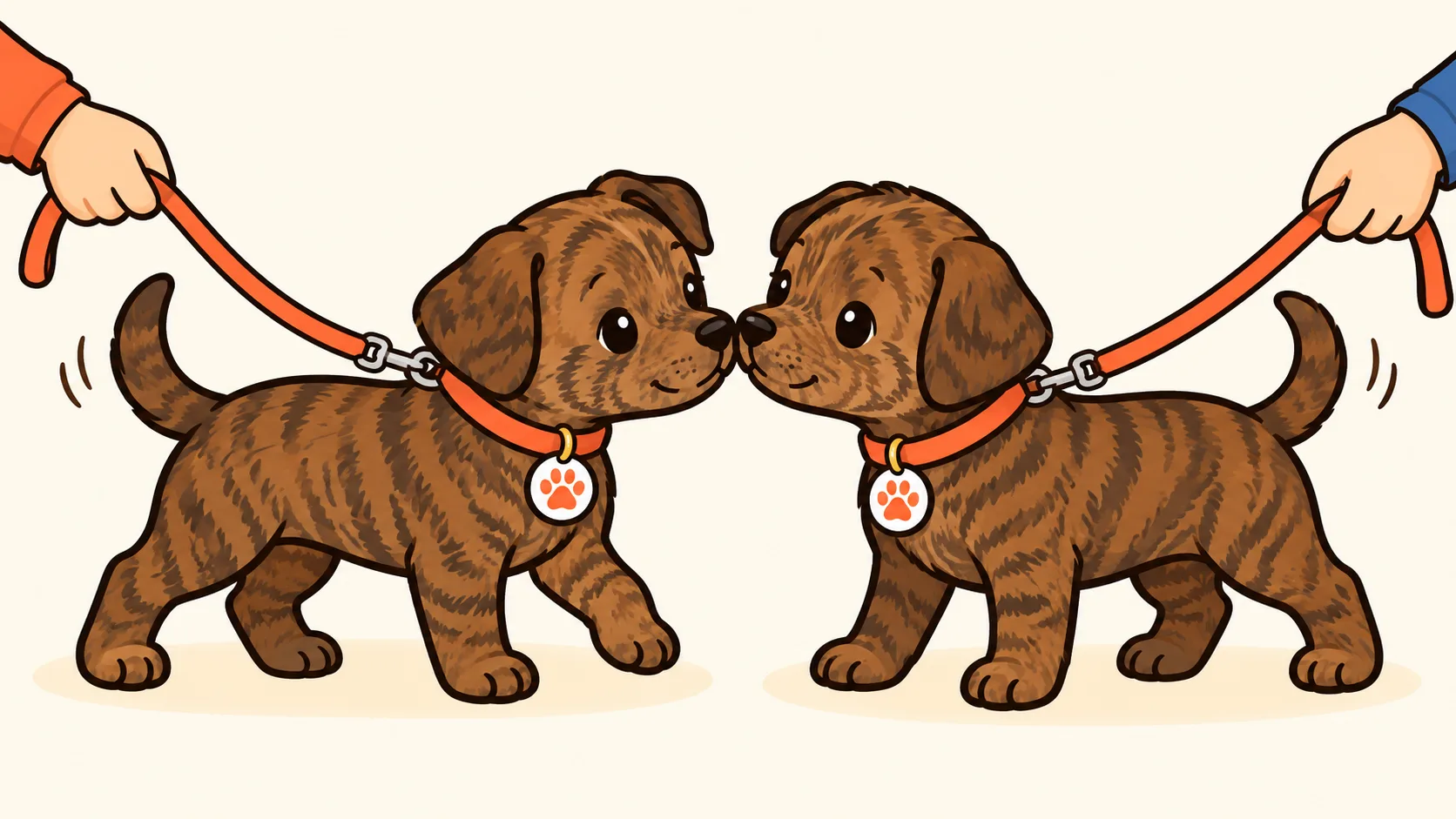
Outings in secure spaces let a puppy begin exploring its surroundings and meeting other dogs early in life.
Experiences suited to your puppy’s age
From four weeks of age, these outings and encounters with other dogs support canine communication. A fenced yard can provide a setting for a first supervised exploration. Outings and the vaccination schedule are planned together according to the puppy’s age and health.
Keep track of dates and vaccination records
The injection series, the diseases it targets, and first outings all need attention during the first year. To keep a useful record, write down the next due date at each visit, along with the name of the vaccine given.
Papatte is a pet tracking app that lets you record vaccinations and schedule reminders. .
Frequently asked questions
An initial series of injections starts between 6 and 8 weeks for a puppy’s core vaccines. It continues with injections at close intervals during the puppy’s first weeks. The schedule is adjusted based on age, lifestyle, and health.