How to walk a dog: duration, places, and rules to follow
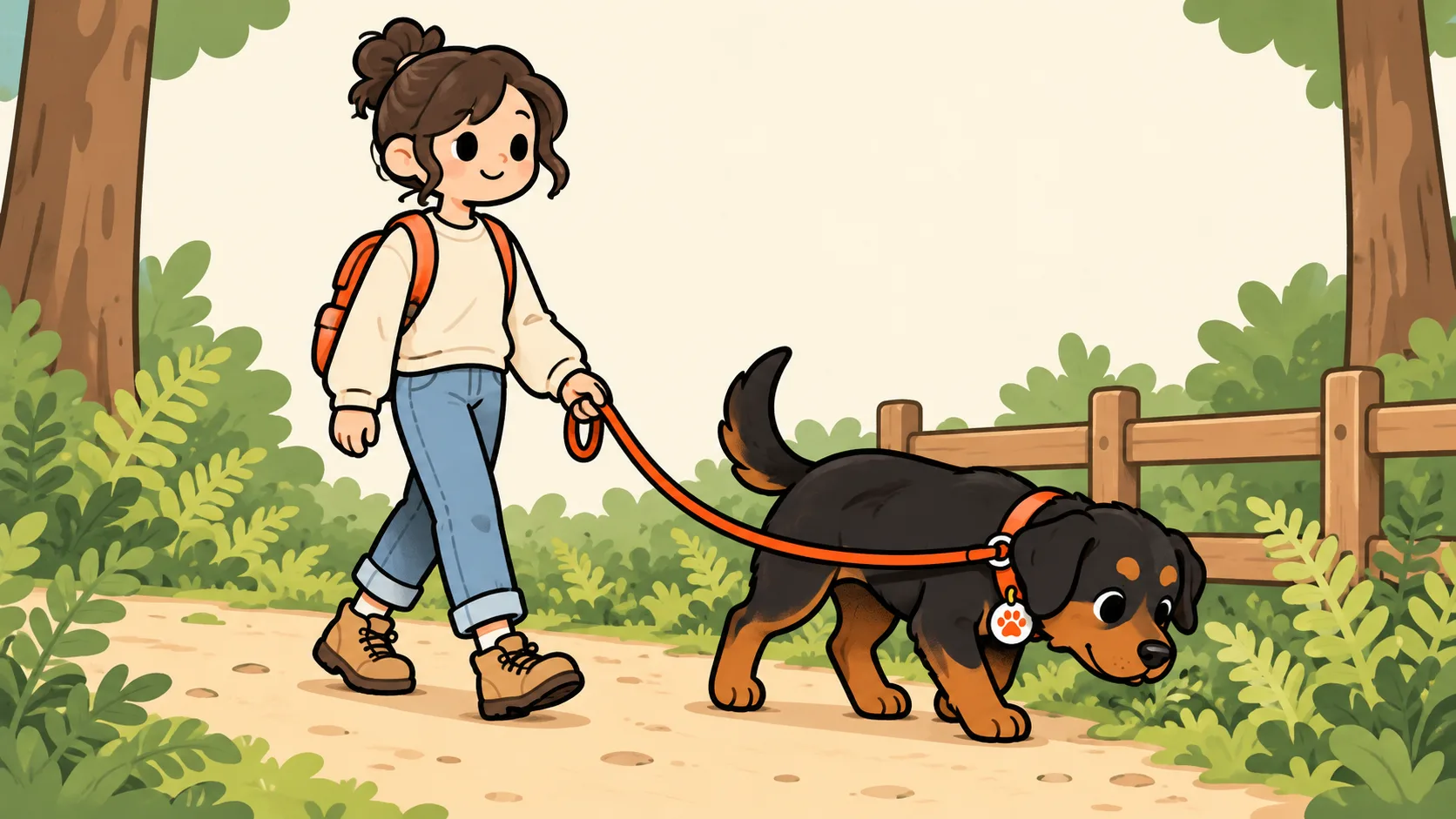
Make each walk suit your dog by considering their needs, choosing a route, and checking the rules that apply where you go.
Walking a dog means choosing a suitable duration and route. An outing that is too long, or a place with restrictions, can make the walk more difficult. To make the walk suit your dog, consider their needs, choose a route, and check the rules that apply there.
Key takeaways
- Exercise needs vary by dog; no single duration is right for all of them.
- Access to some places may be restricted, even with a leash.
- In forests, leash rules depend on the time of year and the path you take.
- Varying your routes gives your dog different environments to explore.
How long should you walk a dog?
There is no ideal duration for every dog. Exercise needs vary by individual dog, breed, and age. When deciding how long your dog should spend outside in a day, distinguish between the total time outdoors and the length of each outing.

By breed and the dog's needs
According to the Animal Welfare Chair at VetAgro Sup, some breeds need less than 30 minutes of exercise a day; for others, the recommendation is up to an hour. These guidelines concern daily exercise, not necessarily a single walk.
By the dog's age
Age also affects exercise needs. Watch how your dog responds during the outing so you can adjust the time spent outside, rather than automatically giving every dog the same length of walk.
Where can I walk my dog near home?
Choose an accessible route where your dog seems comfortable. Before entering a place, check its access rules: a route that suits your dog may still have restrictions.
In the city
In France, a mayor can prohibit dogs from entering certain places, even when they are on a leash. Before entering a public garden, check the entrance for any posted restrictions.
In green spaces
For a park or forest route, first check whether dogs are allowed, then look at the rules for the path you plan to take. Your dog's reactions will help you decide whether the place is right for a walk.
What rules must you follow when walking your dog?
In France, access to certain places may be restricted. In forests, a leash may be required depending on the time of year and the path you take; a dog that strays too far may be considered to be roaming.
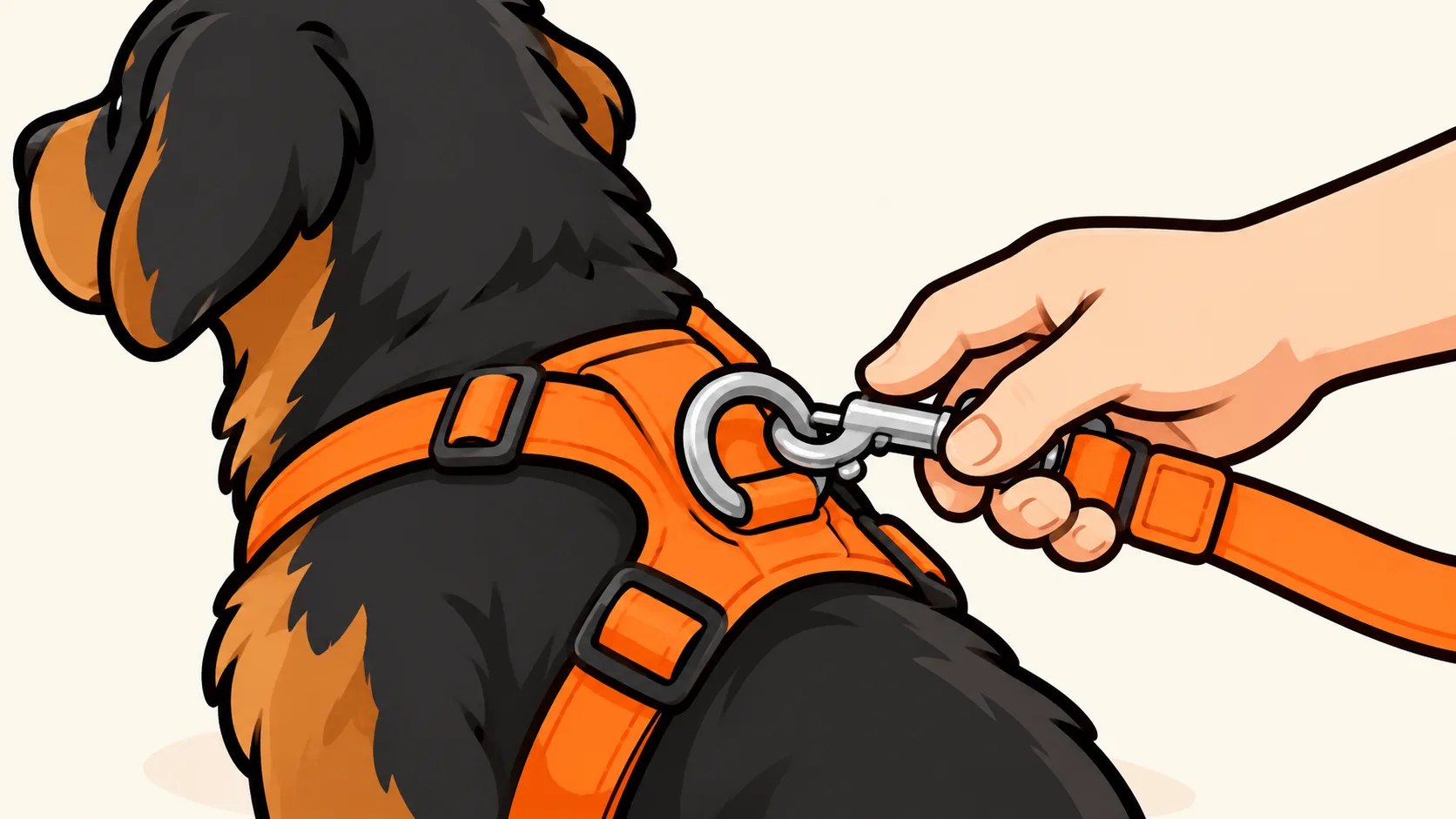
The sensitive period in woods and forests
Keep in mind: From April 15 to June 30, walking a dog without a leash in woods and forests is prohibited off forest paths in France. This rule applies to that specific place and period.
Roaming
In France, a dog more than 100 meters away from the person responsible for it may be considered to be roaming. Exceptions apply, particularly for hunting and guarding a herd. Keep track of where your dog is when you let them move away from you.
How can you make walks enjoyable for your dog?
A walk can meet several of your dog's needs. Adjust the route based on their reactions instead of trying to cover the same distance every time.
Activities suited to the route
Walks provide physical exercise and mental stimulation, as Rover notes in its article about walking dogs. Give your dog a chance to explore the route while following the rules for the area.
Varied routes
Changing your route sometimes lets your dog discover different environments. You can choose several routes where dogs are allowed and return to those where your dog seems most comfortable.
A walk that suits the dog and the place
A good outing combines a duration suited to your dog, an accessible place, and respect for the rules there. When planning the next one, remember the routes where your dog seemed most comfortable.
Papatte lets you keep a record of your dog's walks. .
Frequently asked questions
No, there is no ideal daily frequency established for every dog. Outings remain essential, but dogs' needs vary by individual, breed, and age. Watch your dog to plan outings that suit them, without following the same frequency for every dog.
Five mistakes to avoid: setting the same duration for every walk, overlooking age, entering a place where dogs are prohibited, removing the leash during the regulated period off forest paths, and letting your dog wander far enough to risk being considered roaming. The place and your dog's needs should guide each outing.
From April 15 to June 30, dogs must be leashed in woods and forests in France when off forest paths. Dogs may also be prohibited from entering certain places. A dog that strays too far may be considered to be roaming, subject to the applicable exceptions.
Less than 30 minutes of exercise a day may meet the needs of some breeds. This guideline concerns daily exercise and does not set the length of each outing. Your dog's age and individual needs matter too.